

Apple’s self-driving car project never became a real product, but it played an important role in the company’s AI technology. During the development of the project, Apple realized that self-driving vehicles required extremely powerful on-device artificial intelligence to process data instantly without relying on the cloud. Although the car’s processor was never completed, the research led to the creation of the Neural Engine, Apple’s dedicated AI processor. The Neural Engine first appeared in the iPhone X with the A11 Bionic chip in 2017. At that time, it powered features such as Face ID, Animoji, and augmented reality by processing AI tasks directly on the device.
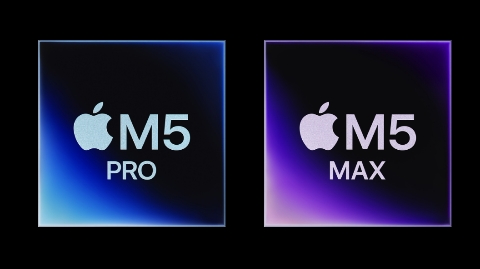
Over the years, Apple expanded the Neural Engine to its M-series chips used in Macs and iPads. This allowed the company to deliver fast on-device AI performance while improving user privacy because much less personal data needed to be sent to cloud servers. According to Bloomberg’s Mark Gurman, Apple is now making AI hardware a central part of its future strategy. The company is reportedly skipping the Pro, Max, and Ultra versions of the upcoming M6 chip and instead focusing on speeding up development of the M7 processor.
The M7 chip is expected to launch in the first half of 2027 with major improvements to the Neural Engine. Apple is also developing an M7 Ultra chip for a new AI server platform. The server version could support up to 1.5TB of RAM, providing the computing power needed for advanced artificial intelligence workloads. While Apple’s self-driving car project was ultimately canceled, its technology helped shape the powerful AI chips that now power iPhones, Macs, and Apple’s future AI infrastructure.